



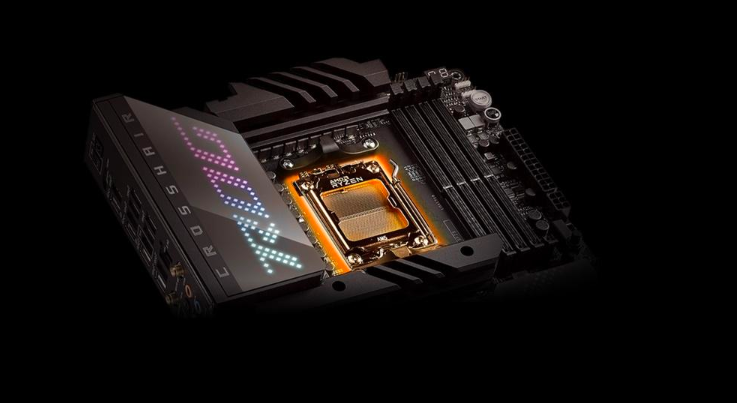
Introduction to AM5 Motherboards
The AM5 motherboard is the latest platform introduced by AMD to support its new generation of processors. It represents a major step forward in computer hardware, bringing improved speed, better efficiency, and modern technology standards. Designed primarily for AMD Ryzen 7000 and newer series processors, this platform replaces the older AM4 socket that had been in use for many years.
The transition to the AM5 motherboard is not just a simple upgrade. It reflects a shift toward future-ready computing. With the rise of high-performance applications, gaming, artificial intelligence workloads, and content creation, there was a need for a platform that could handle these demands efficiently. That is exactly where AM5 comes in.
Understanding the AM5 Socket
At the core of every AM5 motherboard is the AM5 socket. A CPU socket is the physical interface where the processor is installed. The AM5 socket uses a modern design called LGA, or land grid array. In this design, the pins are located on the motherboard instead of the CPU.
This is a significant change from the older AM4 socket, which used a PGA (pin grid array) design where the pins were on the processor. The LGA design improves durability and allows for better electrical connectivity. It also enables support for more advanced processors with higher power requirements.
However, one important limitation is compatibility. The AM5 motherboard only supports processors specifically designed for this socket. Older AM4 CPUs cannot be used, which means upgrading to AM5 usually requires a completely new system build.
Key Features of AM5 Motherboards
One of the main reasons why the AM5 motherboard is gaining popularity is because of its advanced features. These features are designed to improve overall performance and ensure long-term usability.
DDR5 Memory Support
The AM5 motherboard exclusively supports DDR5 memory. DDR5 RAM offers higher speeds, better bandwidth, and improved energy efficiency compared to DDR4. This means faster data processing and smoother multitasking.
For example, users working on video editing, gaming, or 3D rendering will notice significant improvements in performance due to faster memory speeds.
PCIe 5.0 Technology
Another major feature is PCIe 5.0 support. PCIe, or Peripheral Component Interconnect Express, is used for connecting graphics cards, SSDs, and other expansion devices.
PCIe 5.0 offers nearly double the speed of PCIe 4.0, allowing faster data transfer. This is especially beneficial for high-end GPUs and next-generation SSDs, which require high bandwidth for optimal performance.
Advanced Connectivity
Modern AM5 motherboard models come with advanced connectivity options, including:
- High-speed USB ports
- Wi-Fi 6E or Wi-Fi 7 support
- Bluetooth connectivity
- Faster Ethernet options
These features ensure seamless communication between devices and improved internet performance.
Improved Power Delivery
Power delivery is another area where the AM5 motherboard excels. With improved VRM (Voltage Regulator Module) designs, these motherboards can handle high-performance CPUs efficiently. This results in stable performance, especially during heavy workloads or overclocking.
AM5 Chipsets Explained
Different AM5 motherboards come with different chipsets, each designed for specific user needs. Choosing the right chipset is essential for getting the best performance and features.
Overview of Chipsets
| Chipset | Target Users | Key Features |
|---|---|---|
| A620 | Budget users | Basic features, no overclocking |
| B650 | Mid-range users | Balanced performance and value |
| B650E | Advanced gamers | PCIe 5.0 support |
| X670 | Enthusiasts | More connectivity and expansion |
| X670E | High-end users | Full PCIe 5.0 support |
| X870/X870E | Latest premium | Maximum performance and features |
Entry-level users may choose A620, while gamers and professionals often prefer B650 or X670 series for better performance and flexibility.
Supported Processors
The AM5 motherboard supports a wide range of modern processors, including:
- Ryzen 7000 series
- Ryzen 8000 series
- Ryzen 9000 series
This ensures long-term compatibility and allows users to upgrade their CPU without changing the motherboard.
Performance Benefits of AM5 Platform
The AM5 motherboard platform delivers noticeable performance improvements in various areas.
In gaming, users experience higher frame rates and smoother gameplay due to faster memory and improved CPU performance. In productivity tasks such as video editing and software development, the system becomes more responsive and efficient.
Another advantage is improved storage performance. With PCIe 5.0 SSDs, data transfer speeds are significantly faster, reducing load times and improving workflow efficiency.
AM5 vs AM4 – Key Differences
To understand the importance of the AM5 motherboard, it is helpful to compare it with the older AM4 platform.
| Feature | AM4 | AM5 |
|---|---|---|
| Socket Type | PGA | LGA |
| RAM Support | DDR4 | DDR5 |
| PCIe Version | PCIe 4.0 | PCIe 5.0 |
| Upgrade Future | Limited | Long-term |
| Performance | Good | High |
The AM5 platform clearly offers better performance and future-proofing compared to AM4.
Advantages of AM5 Motherboards
The AM5 motherboard offers several advantages that make it an attractive choice for modern users. It provides better performance, supports the latest hardware, and ensures long-term upgrade options.
Users building a new PC can benefit from the advanced technologies included in AM5. It is especially useful for gamers, content creators, and professionals who require high performance.
Disadvantages of AM5 Motherboards
Despite its benefits, the AM5 motherboard also has some drawbacks. The cost of DDR5 memory and compatible components is higher compared to older systems. Additionally, users cannot reuse older CPUs or RAM, which increases the overall upgrade cost.
However, these disadvantages are often outweighed by the long-term benefits and performance improvements.
Choosing the Right AM5 Motherboard
Selecting the right AM5 motherboard depends on several factors. Budget is one of the most important considerations. Entry-level users may opt for A620 boards, while advanced users may choose X670 or X870 models.
Another factor is usage. Gamers should focus on boards with strong GPU support and fast memory compatibility. Professionals may need additional storage options and expansion slots.
Form factor is also important. ATX boards offer more features, while Micro-ATX and Mini-ITX boards are suitable for compact builds.
Popular AM5 Motherboard Brands
Several well-known manufacturers produce high-quality AM5 motherboards. These include ASUS, MSI, Gigabyte, and ASRock. Each brand offers different models with unique features, allowing users to choose according to their preferences.
Compatibility and Upgrade Tips
Before purchasing an AM5 motherboard, it is important to check compatibility. Users should ensure that their CPU is supported and that they are using DDR5 memory.
Cooling compatibility is generally not an issue, as many AM4 coolers can also be used with AM5. However, checking specifications is always recommended.
Updating the BIOS is another important step. It ensures compatibility with newer processors and improves system stability.
AM5 Motherboards for Gaming
Gamers benefit greatly from the AM5 motherboard platform. Faster memory, improved CPU performance, and PCIe 5.0 support contribute to better gaming experiences.
Mid-range chipsets like B650 are ideal for most gamers, while high-end users may prefer X670 or X870 for maximum performance.
AM5 Motherboards for Workstations
For professional workloads, the AM5 motherboard provides excellent performance. Tasks such as video editing, 3D rendering, and data analysis require powerful hardware, which AM5 supports efficiently.
High-end chipsets with more expansion options are recommended for workstation builds.
Pricing and Availability
The cost of an AM5 motherboard varies depending on features and chipset. Entry-level boards are more affordable, while premium models can be quite expensive.
Although the initial investment may be higher, the long-term value makes it a worthwhile choice for many users.
Future of AM5 Platform
The future of the AM5 motherboard platform looks promising. AMD has committed to supporting this socket for several years, ensuring compatibility with upcoming processors.
This long-term support makes AM5 a reliable choice for users who want to upgrade their systems over time without replacing the motherboard.
Common Questions About AM5 Motherboards
Many users have questions about the AM5 motherboard. One of the most common questions is whether older CPUs can be used. The answer is no, as AM5 is not compatible with AM4 processors.
Another question is about memory support. AM5 only supports DDR5 RAM, which is mandatory for this platform.
Users also often ask whether AM5 is worth it. For new builds, the answer is yes, as it offers better performance and future-proofing.
Conclusion
The AM5 motherboard is a powerful and future-ready platform designed for modern computing needs. It introduces advanced technologies such as DDR5 memory and PCIe 5.0, ensuring high performance and efficiency.
Although the initial cost may be higher, the long-term benefits make it a smart investment. Whether you are a gamer, content creator, or professional, the AM5 motherboard provides the performance and reliability needed for today’s demanding applications.
In 2026 and beyond, choosing an AM5 motherboard is not just an upgrade—it is a step toward the future of computing.