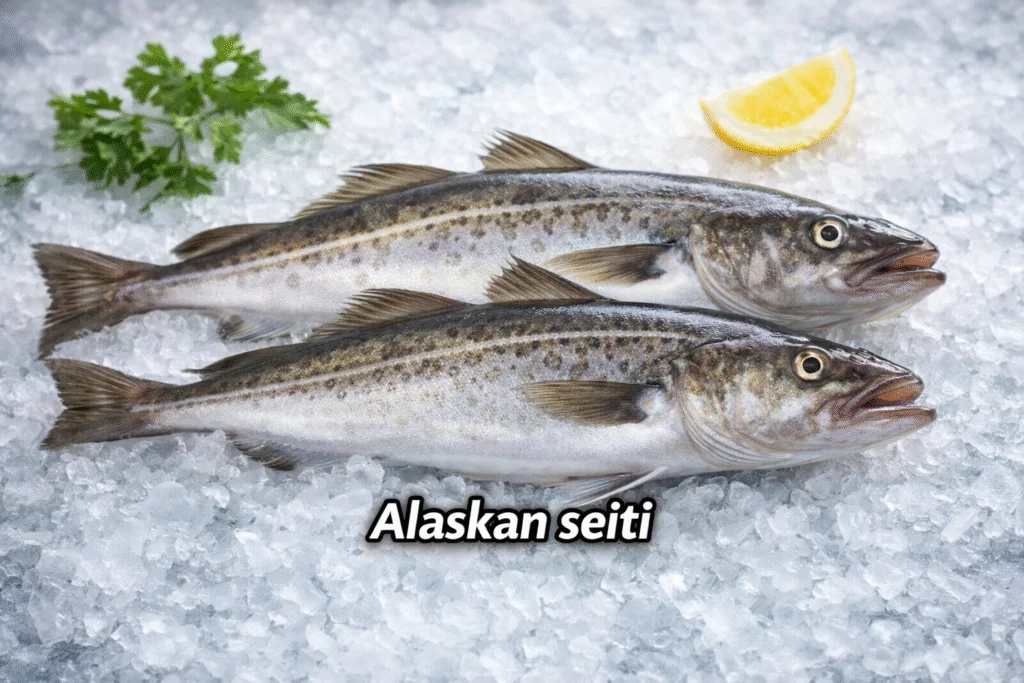
Alaskan Seiti: Complete Guide to This Popular White Fish
Seafood plays an important role in many cuisines around the world. Among the many types of fish available today, alaskan seiti has become one of the most popular and widely consumed white fish. Known for its mild flavor, soft texture, and high nutritional value, this fish is commonly used in many seafood products and home-cooked meals.
In supermarkets, restaurants, and frozen food sections, you may come across fish products labeled as pollock or white fish. In many European regions, particularly in Finland and nearby countries, the same fish is often called alaskan seiti. This fish belongs to the cod family and is harvested mainly from the cold waters of the North Pacific Ocean.
The popularity of alaskan seiti comes from several factors. It is affordable, easy to cook, rich in protein, and suitable for many recipes. Whether it is baked, grilled, or fried, this fish adapts well to a variety of cooking styles. In addition, the fishing industry has developed sustainable methods to harvest this species responsibly, making it a preferred seafood choice for both consumers and food companies.
This guide explains everything you need to know about alaskan seiti, including its origin, nutritional benefits, common food uses, and cooking techniques.
What Is Alaskan Seiti?
Definition and Meaning
The term alaskan seiti refers to a species of fish that is widely known internationally as Alaska pollock. It is a marine fish that belongs to the cod family and is found mainly in the cold northern waters of the Pacific Ocean.
The word “seiti” is commonly used in some European languages to describe pollock fish. When combined with “Alaskan,” it indicates that the fish comes from waters near Alaska. Over time, the name alaskan seiti has become popular in seafood markets and food packaging in certain regions.
One of the main reasons this fish is so widely consumed is its versatility. The meat is white, soft, and mild in flavor, making it ideal for many seafood dishes.
Scientific Classification
Like many commercially important fish species, alaskan seiti has a scientific classification that helps identify its biological characteristics.
| Category | Information |
|---|---|
| Scientific name | Gadus chalcogrammus |
| Family | Gadidae |
| Common family name | Cod family |
| Ocean region | North Pacific |
Being part of the cod family means that alaskan seiti shares similarities with other well-known fish such as cod and haddock. However, it usually has a softer texture and a slightly milder taste.
Other Names of Alaskan Seiti
Because this fish is traded globally, it is known by several different names depending on the country.
| Name | Region |
|---|---|
| Alaska pollock | International trade |
| Walleye pollock | North America |
| Pacific pollock | Seafood industry |
| Alaskanseiti | Finland |
Despite the different names, they all refer to the same species of fish.
Origin and Habitat of Alaskan Seiti
Where the Fish Lives
The natural habitat of alaskan seiti is the cold waters of the North Pacific Ocean. These waters provide the ideal environment for the species to grow and reproduce.
Some of the main regions where this fish is commonly found include:
- The Bering Sea
- The Gulf of Alaska
- Coastal waters of Russia
- Northern Pacific waters near Japan
These areas contain rich marine ecosystems where large populations of alaskan seiti thrive.
Natural Habitat
Alaskan seiti is a cold-water fish that prefers deep ocean environments. It often travels in large groups called schools, which helps protect the fish from predators and improves feeding efficiency.
The fish feeds mainly on smaller marine organisms such as plankton, small crustaceans, and tiny fish. This diet helps maintain the balance of the ocean ecosystem.
Migration and Life Cycle
The life cycle of alaskan seiti includes several stages from spawning to adulthood. During spawning season, adult fish release eggs into the water, where they hatch into larvae.
As they grow, young fish migrate into deeper waters where they continue to develop. Mature alaskan seiti can live for several years and may travel long distances throughout the ocean.
Physical Characteristics of Alaskan Seiti
Appearance
Alaskan seiti has a distinctive appearance that makes it recognizable to marine biologists and fishermen.
The fish usually has a slender body with a slightly speckled coloration. Its fins are darker than the body, and it has relatively large eyes compared to its size.
The flesh inside the fish is white and soft, which makes it highly desirable for seafood products.
Size and Weight
The size of alaskan seiti can vary depending on age and habitat conditions. On average, the fish grows to a moderate length.
| Feature | Average Size |
|---|---|
| Length | 30–60 cm |
| Maximum length | Around 90 cm |
| Weight | Up to several kilograms |
Because of its manageable size, it is ideal for commercial fishing and processing.
Unique Features
Some physical characteristics help distinguish alaskan seiti from other similar fish species. These include:
- Three dorsal fins along the back
- Two anal fins underneath the body
- A streamlined shape that allows efficient swimming
These features help the fish move quickly through cold ocean waters.
Nutritional Value of Alaskan Seiti
One of the biggest reasons for the popularity of alaskan seiti is its excellent nutritional profile. It provides essential nutrients while remaining low in calories and fat.
Key Nutrients
The following table shows the approximate nutritional value of alaskan seiti per 100 grams.
| Nutrient | Amount |
|---|---|
| Calories | 70–80 kcal |
| Protein | 16–18 g |
| Fat | About 1 g |
| Carbohydrates | 0 g |
This makes it a very lean source of protein suitable for balanced diets.
Health Benefits
Eating alaskan seiti regularly can provide several health advantages. These include supporting muscle growth due to its high protein content. It also provides important vitamins and minerals that contribute to overall health.
Some important nutrients found in alaskan seiti include:
- Vitamin B12
- Selenium
- Phosphorus
- Omega-3 fatty acids
These nutrients support the immune system, brain function, and cardiovascular health.
Why Alaskan Seiti Is So Popular
The global seafood industry relies heavily on alaskan seiti because it offers several advantages for both producers and consumers.
First, it is more affordable than many other white fish such as cod. This allows food companies to produce seafood products at lower costs.
Second, its mild flavor appeals to a wide range of consumers. Unlike stronger-tasting fish, alaskan seiti has a gentle taste that works well with different spices and cooking styles.
Finally, the fish is very versatile. It can be used in many types of dishes, from simple grilled fillets to processed seafood products.
Common Food Products Made from Alaskan Seiti
Because of its mild flavor and soft texture, alaskan seiti is used in a variety of food products.
Fish Fillets
One of the most common uses is frozen fish fillets. These are widely available in grocery stores and can be baked or pan-fried at home.
Fish Sticks and Breaded Fish
Many popular frozen fish sticks and breaded seafood products use alaskan seiti as their main ingredient. Its white meat and soft texture make it perfect for these products.
Surimi and Imitation Crab
Surimi, which is used to make imitation crab meat, is often produced from alaskan seiti. The fish is processed into a paste and then shaped into different seafood products.
Pollock Roe
The roe, or eggs, of alaskan seiti is considered a delicacy in some Asian cuisines, especially in Japan and Korea.
Sustainability and Fishing Industry
The fishing industry plays an important role in supplying alaskan seiti to markets around the world.
Global Fishing Industry
Alaska pollock fisheries are among the largest commercial fisheries in the world. Millions of tons of this fish are harvested each year.
Sustainable Fisheries
To protect ocean ecosystems, many fisheries follow strict management practices. These include:
- Catch limits
- Monitoring fish populations
- Protecting spawning areas
These measures help ensure that alaskan seiti remains available for future generations.
Economic Importance
The fishing and processing of alaskan seiti provide employment for thousands of people. It also contributes significantly to the global seafood economy.
Cooking Methods for Alaskan Seiti
Cooking alaskan seiti is simple because the fish adapts well to different preparation techniques.
Baking
Baking is one of the healthiest ways to cook the fish. Seasoned fillets can be baked in the oven with herbs, lemon, and olive oil.
Frying
Fried alaskan seiti is popular in many cuisines. The fish is often coated in breadcrumbs and fried until crispy.
Grilling
Grilling adds a smoky flavor while keeping the fish light and healthy.
Soups and Stews
In some Asian dishes, alaskan seiti is used in seafood soups or stews with vegetables and spices.
Alaskan Seiti vs Other White Fish
Many people compare alaskan seiti with other white fish varieties. The following table highlights some key differences.
| Fish | Taste | Texture | Price |
|---|---|---|---|
| Alaskan seiti | Mild | Soft | Affordable |
| Cod | Mild | Firm | Higher |
| Haddock | Slightly sweet | Firm | Medium |
Because of its lower price and versatility, alaskan seiti is often used in processed seafood products.
Buying and Storing Alaskan Seiti
Choosing high-quality fish is important for both taste and safety.
How to Choose Fresh Fish
When buying fresh alaskan seiti, look for fish with clear flesh and a mild ocean smell. Avoid fish that has a strong or unpleasant odor.
Frozen Fish Tips
Frozen fillets should be properly sealed without ice crystals inside the package. This indicates that the fish has been stored correctly.
Storage Guidelines
Fresh fish should be stored in the refrigerator and consumed within a short period. Frozen alaskan seiti can last several months if kept at the correct temperature.
Environmental Impact and Future of Alaskan Seiti
Ocean ecosystems face many challenges, including climate change and overfishing. Responsible fishing practices help protect species like alaskan seiti.
Sustainable fisheries use scientific research and monitoring systems to maintain healthy fish populations. Consumers can support these efforts by choosing seafood products that come from certified sustainable fisheries.
As global demand for seafood continues to grow, alaskan seiti is expected to remain one of the most important and widely consumed fish species.
Conclusion
Alaskan seiti is one of the most widely used white fish in the global seafood industry. Known for its mild flavor, high protein content, and affordable price, it has become a favorite ingredient in many seafood dishes and processed products.
From fish fillets and fish sticks to surimi and seafood soups, this versatile fish appears in many forms across different cuisines. In addition, sustainable fishing practices help ensure that alaskan seiti remains available for future generations.
Whether you are looking for a healthy source of protein or a versatile ingredient for cooking, alaskan seiti is an excellent seafood option that combines nutrition, flavor, and affordability.
Frequently Asked Questions
What is alaskan seiti?
Alaskan seiti is another name for Alaska pollock, a white fish species found in the North Pacific Ocean and commonly used in seafood products.
Is alaskan seiti healthy?
Yes, alaskan seiti is considered a healthy fish because it is high in protein and low in fat while providing important nutrients like vitamin B12 and selenium.
What does alaskan seiti taste like?
Alaskan seiti has a mild flavor and soft texture, making it suitable for many seafood dishes.
Is alaskan seiti the same as cod?
No, although both belong to the cod family, alaskan seiti is a different species with a softer texture and usually lower price.
How can you cook alaskan seiti?
Alaskan seiti can be baked, fried, grilled, or added to soups and seafood stews depending on personal preference.