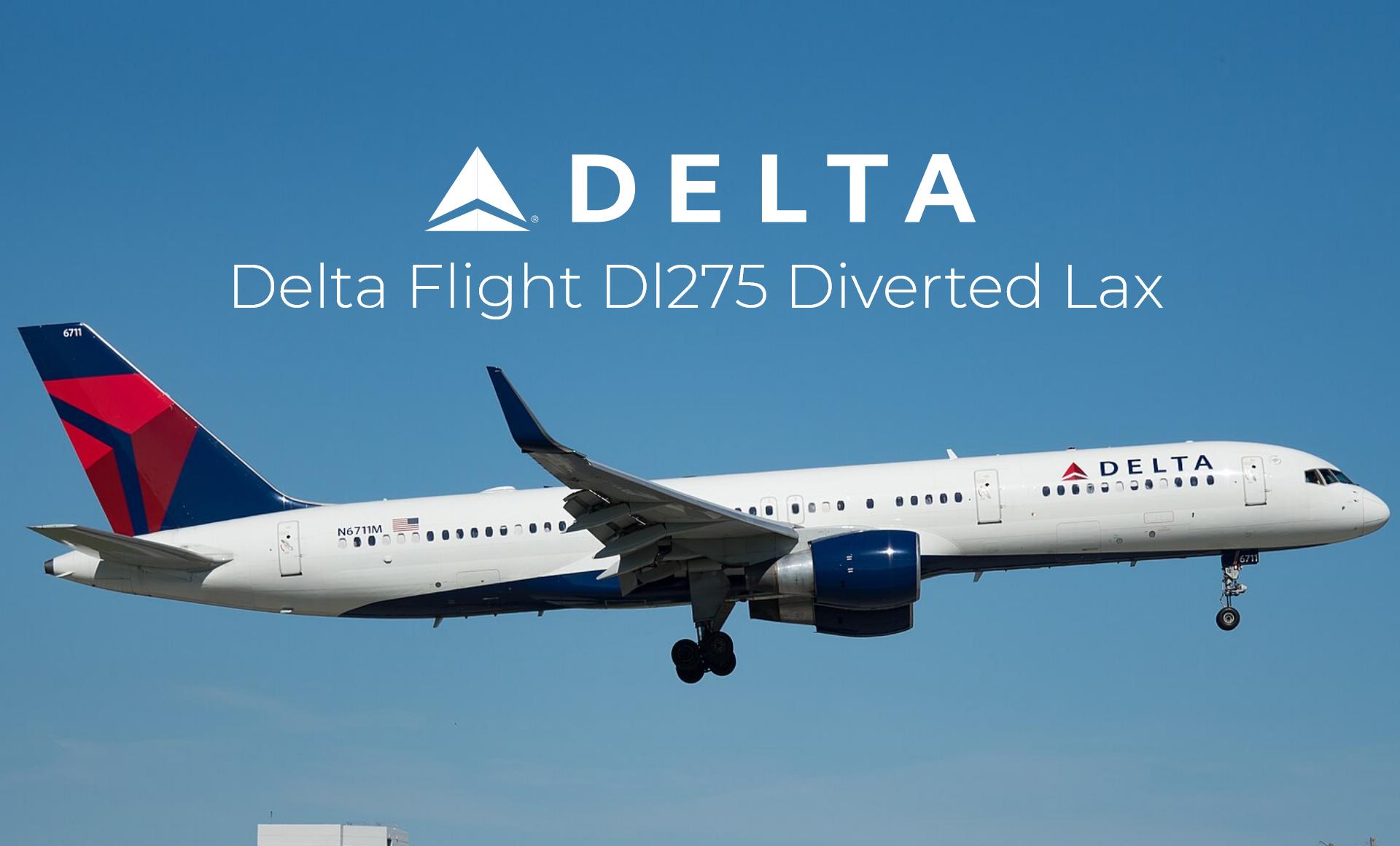
Delta Flight DL275 Diverted LAX: What Happened and Why It Matters
Air travel is generally considered one of the safest forms of transportation. Modern aircraft are designed with multiple safety systems, and pilots receive extensive training to handle unexpected situations. However, even with advanced technology and strict safety procedures, flights sometimes experience technical issues that require immediate action. One such incident involved delta flight dl275 diverted lax, which gained attention among aviation enthusiasts and travelers worldwide.
Delta Air Lines flight DL275 was scheduled to travel from Detroit, Michigan, to Tokyo, Japan. During the journey, a technical concern was detected that required the aircraft to change course and land at Los Angeles International Airport instead of continuing across the Pacific Ocean. While such diversions may sound alarming at first, they are often precautionary steps taken to ensure passenger safety.
This article explains the full story of delta flight dl275 diverted lax, including the timeline of events, the aircraft involved, the technical issue that triggered the diversion, and how passengers were assisted after landing.
Overview of Delta Flight DL275
Delta Air Lines operates several long-distance international flights connecting the United States to Asia. Among these routes is Flight DL275, which typically travels from Detroit Metropolitan Wayne County Airport to Tokyo Haneda Airport.
This route is an important trans-Pacific connection used by business travelers, tourists, and international passengers. Because the journey crosses the Pacific Ocean, the flight requires a long-range aircraft capable of traveling thousands of miles without stopping.
Basic Flight Information
The following table shows the general details of the flight involved in the delta flight dl275 diverted lax incident.
| Flight Detail | Information |
|---|---|
| Airline | Delta Air Lines |
| Flight Number | DL275 |
| Departure Airport | Detroit Metropolitan Airport (DTW) |
| Destination | Tokyo Haneda Airport (HND) |
| Aircraft Type | Airbus A350-900 |
| Flight Distance | Approx. 6,300 miles |
| Estimated Flight Time | Around 13 hours |
The Airbus A350-900 is a modern aircraft designed for long-haul international flights. It features advanced fuel efficiency, improved passenger comfort, and sophisticated safety monitoring systems.
Aircraft Used on the Route
The Airbus A350-900 is one of the most advanced passenger aircraft in the world. Airlines choose this aircraft for long routes because it offers reliability and efficiency.
Some key features include:
- Long-range flight capability
- Advanced engine technology
- Real-time aircraft monitoring systems
- Improved cabin comfort and quieter engines
These features allow airlines like Delta to operate long intercontinental routes safely and efficiently.
Timeline of the Delta Flight DL275 Diversion
Understanding the sequence of events helps explain how the situation developed and why the aircraft eventually landed in Los Angeles.
Departure from Detroit
The flight began its journey at Detroit Metropolitan Airport. Passengers boarded normally, and the aircraft departed on schedule or close to the expected time.
After takeoff, the aircraft climbed to its cruising altitude, which is typically between 35,000 and 40,000 feet for long-haul flights.
Normal Flight Phase
For the first part of the trip, everything appeared normal. The aircraft continued westward toward the Pacific Ocean while passengers settled into the long journey.
During this phase, flight systems constantly monitor the aircraft’s engines, temperature levels, fuel efficiency, and mechanical components.
Detection of a Technical Issue
While the aircraft was in flight, cockpit systems detected a problem related to the engine anti-ice system. This system plays an important role in preventing ice from forming inside the engine during cold high-altitude conditions.
When the system indicated a malfunction, the flight crew carefully reviewed the warning and consulted airline operations teams.
Decision to Divert
After evaluating the situation, the pilots decided that continuing the flight across the Pacific Ocean was not the safest option. Instead, they chose to divert to the nearest suitable airport capable of handling a large international aircraft.
That airport was Los Angeles International Airport (LAX).
Safe Landing in Los Angeles
The aircraft safely landed at LAX without any emergency situation. Passengers remained calm, and there were no injuries reported. The diversion allowed maintenance teams to inspect the aircraft before it continued operating.
The Technical Cause Behind the Diversion
The main reason delta flight dl275 diverted lax was related to a malfunction in the engine anti-ice system.
What Is the Engine Anti-Ice System?
Aircraft engines operate in extremely cold conditions at high altitudes. Temperatures outside the aircraft can drop below −50°C.
In such environments, moisture in the air can freeze and form ice around engine components. The anti-ice system prevents this buildup by heating certain areas of the engine.
Why This System Is Important
If ice forms inside or around the engine, it can cause several issues including:
- Reduced airflow into the engine
- Decreased engine efficiency
- Potential damage to internal components
Because the aircraft was scheduled to fly over the Pacific Ocean for many hours, it was important to ensure that all engine systems were functioning correctly.
How Aircraft Detect These Problems
Modern aircraft like the Airbus A350 are equipped with digital monitoring systems that continuously analyze engine performance.
If something unusual occurs, the system alerts the pilots through cockpit displays. These alerts allow the crew to make informed decisions quickly.
Why the Flight Diverted to Los Angeles
When pilots decide to divert a flight, they must choose an airport that meets several criteria.
Los Angeles International Airport was selected because it offers the necessary facilities for large aircraft.
Key Reasons LAX Was Chosen
Several factors made Los Angeles the best option:
- Major international airport with long runways
- Maintenance facilities capable of handling Airbus A350 aircraft
- Availability of Delta airline staff
- Passenger support services for rebooking and assistance
Large airports like LAX are often used for diversions because they have the infrastructure required to handle unexpected situations.
How Pilots Decide to Divert a Flight
Flight diversions are not random decisions. Pilots follow detailed procedures and guidelines when determining whether to continue a flight or divert.
Risk Assessment
Pilots evaluate multiple factors before making a decision:
- Severity of the technical issue
- Distance to the destination
- Availability of alternate airports
- Weather conditions
- Passenger safety
Communication With Airline Operations
During such situations, pilots stay in contact with the airline’s operations control center. These teams provide technical advice and help identify the best diversion airport.
Safety-First Approach
Airlines follow a strict philosophy that prioritizes safety above all else. Even if a problem appears minor, crews often choose the safest option rather than taking unnecessary risks.
Passenger Experience During the Diversion
Passengers on delta flight dl275 diverted lax were informed about the situation through announcements made by the flight crew.
Communication in the Cabin
Flight attendants and pilots typically provide clear explanations during diversions to ensure passengers understand what is happening.
This helps prevent panic and keeps passengers calm throughout the situation.
Passenger Reactions
Reports indicate that passengers remained calm during the diversion. Because the aircraft landed safely and smoothly, most travelers simply experienced an unexpected delay rather than a dangerous situation.
Assistance After Landing
After landing at LAX, Delta Air Lines provided assistance to passengers. Airlines typically offer several types of support during such events.
These may include:
- Rebooking passengers on alternative flights
- Providing hotel accommodations if necessary
- Offering meals or travel vouchers
Such assistance helps passengers continue their journeys with minimal inconvenience.
What Happened to the Aircraft After Landing
Once the aircraft arrived in Los Angeles, maintenance engineers began inspecting the plane.
Aircraft Inspection
Technicians examined the engine anti-ice system to identify the exact cause of the malfunction.
Aircraft inspections often involve:
- Electronic system diagnostics
- Physical inspection of engine components
- Testing of heating systems
Repairs and Maintenance
If engineers confirm a fault, repairs are completed before the aircraft returns to service.
Return to Operation
Once the aircraft passes safety checks, it is cleared to resume normal flights.
Cost and Operational Impact
Flight diversions can create financial and operational challenges for airlines.
Operational Costs
Some of the costs associated with diversions include:
| Cost Category | Explanation |
|---|---|
| Extra fuel | Additional fuel used during the diversion |
| Passenger accommodations | Hotels and meals for travelers |
| Maintenance work | Inspection and repair expenses |
| Scheduling disruptions | Changes to flight schedules |
Passenger Impact
Passengers may experience delays or missed connections. However, airlines work to minimize disruption through rebooking and customer support.
Airline Reputation
Although diversions may seem negative, they actually demonstrate that airlines prioritize safety.
How Common Are Flight Diversions?
Flight diversions are relatively uncommon but not unusual.
Airlines operate thousands of flights daily, and a small number may need to divert due to various reasons.
Common Causes of Diversions
Typical reasons include:
- Mechanical or technical issues
- Medical emergencies among passengers
- Severe weather conditions
- Security concerns
In most cases, diversions are precautionary rather than emergency situations.
Lessons From the DL275 Incident
The delta flight dl275 diverted lax situation highlights several important lessons about aviation safety.
First, modern aircraft monitoring systems help detect problems early. Second, pilot training ensures that crews can respond quickly and effectively. Finally, major airports provide critical support during unexpected situations.
These elements work together to maintain the high safety standards of modern aviation.
Frequently Asked Questions
Why did delta flight dl275 diverted lax?
The flight diverted because of a malfunction in the engine anti-ice system, which required inspection before continuing the long journey across the Pacific Ocean.
Was the diversion an emergency landing?
No. The diversion was precautionary, and the aircraft landed safely without an emergency situation.
What aircraft was used for the flight?
The flight was operated using an Airbus A350-900, a modern long-range aircraft.
Were passengers injured during the incident?
No injuries were reported, and passengers remained safe throughout the diversion.
Do flight diversions happen often?
Diversions are rare but occur occasionally as part of normal aviation safety procedures.
Conclusion
The incident involving delta flight dl275 diverted lax demonstrates how aviation safety systems work in real life. When a potential technical issue was detected, the flight crew made a responsible decision to divert to Los Angeles rather than continue the long journey across the Pacific.
Although the diversion caused delays for passengers, it ensured that the aircraft could be inspected and repaired properly. Events like this show how airlines prioritize safety above convenience.
In modern aviation, diversions are a normal precaution used to protect passengers, crew members, and aircraft. The safe landing of Flight DL275 in Los Angeles highlights the effectiveness of airline safety procedures and the professionalism of the flight crew.