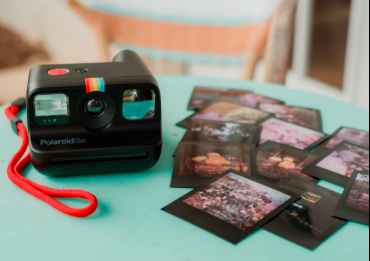
Polaroid Go Instant Camera – Ultimate Guide
Instant photography has enjoyed a major resurgence in recent years, and at the heart of this trend stands the Polaroid Go Instant Camera — a tiny device that brings back the magic of physical photos in the palm of your hand. This camera does more than take pictures; it prints memories immediately, connects to your creative side, and offers a fun hands-on experience that smartphones simply cannot replicate.
In this guide, we explore the Polaroid Go Instant Camera from every angle, explaining what makes it unique, how it works, and how you can get the most out of it.
1. Introduction to the Polaroid Go Instant Camera
The Polaroid Go Instant Camera is a compact instant film camera designed to make analog photography fun and accessible for everyone. It revives the original spirit of Polaroid — capturing a moment and watching it physically develop right before your eyes — but in a much smaller form factor. Unlike digital cameras that store images electronically, this camera produces real prints with each shot.
Instant photography has deep roots, dating back to the 1970s when Polaroid first introduced one-step photo development. Over time, digital technology replaced many analog formats, yet something was lost: the delight of holding a real photograph in your hands seconds after taking it. The Polaroid Go Instant Camera exists to rekindle that joy, especially for people who value tangible memories over digital files.
2. What Makes the Polaroid Go Instant Camera Unique?
What sets the Polaroid Go Instant Camera apart is its ultra-compact design and approachable analog photography system. This camera is marketed as one of the smallest instant cameras ever made, making it extremely easy to carry with you everywhere — from daily errands to international travel.
The magic of this camera is in how it brings together simplicity and nostalgia in a single package. Its diminutive size does not compromise its ability to produce high-character prints, and its intuitive controls make it perfect for beginners as well as experienced instant photographers.
3. Design and Build Quality
When you hold the Polaroid Go Instant Camera, you immediately notice its compact size. Its small rectangular body fits easily into a bag or even a large pocket. The design is playful yet functional, with rounded edges, a smooth matte finish, and a lightweight feel that encourages “grab-and-shoot” photography.
One of the most appealing design qualities is its ergonomics — the buttons, shutter, and viewfinder are positioned so they feel natural under your fingers. Despite its small size, the Polaroid Go Instant Camera feels reliable in hand, with solid construction that can withstand everyday use. Some versions also use recycled materials, reflecting Polaroid’s commitment to sustainable design.
Overall, its portability and thoughtful build make it ideal for users who want a reliable instant camera without bulk.
4. How the Polaroid Go Instant Camera Works
To understand how the Polaroid Go Instant Camera functions, it helps to think of it as a self-contained photography studio. Analog instant photography works through a chemical process printed directly onto film. Here’s how the experience unfolds:
- First, you insert a pack of Polaroid Go film into the camera. Each pack contains sheets of film coated with photosensitive chemicals.
- When you press the shutter, the camera opens the shutter blade, exposing the film to light. Light entering the lens interacts with the chemicals on the film surface.
- Immediately after exposure, the camera ejects the photograph through rollers that spread developing chemicals across the print.
- Within minutes, the image slowly appears — starting as vague shapes and developing into a clear picture.
Unlike digital cameras, where you see photos on a screen instantly, this process gives you time to anticipate the moment and savor the development. Each print is unique and cannot be duplicated unless scanned or photographed separately.
5. Key Features of the Polaroid Go Instant Camera
The Polaroid Go Instant Camera blends classic instant photography with modern convenience. Some of its key features include:
Instant Printing Technology
This camera prints each shot immediately on Polaroid Go film, delivering small square prints with a white border — the iconic Polaroid look.
Creative Shooting Modes
The camera supports double exposure, which allows you to take two images on the same frame, resulting in artistic overlay effects. It also has a self-timer, enabling group photos or hands-free shots.
Built-in Flash System
An automatic flash helps illuminate scenes in low light. The camera’s sensor determines when to fire the flash for balanced exposure.
Selfie Mirror
A small mirror beside the lens helps you compose selfies more accurately, which is especially helpful given the absence of a digital screen.
Together, these features make the Polaroid Go Instant Camera not just a basic camera, but a versatile creative tool.
6. Polaroid Go Film Explained
Film is the heart of the Polaroid Go experience. The camera uses a specific film format known as Polaroid Go film, designed to fit its compact form. Each pack typically contains eight exposures, and prints develop over several minutes once ejected.
The films are coated with light-sensitive layers and developing chemicals, sealed in protective casings that the camera exposes and processes. Because instant film is analog, external factors such as lighting conditions and handling can affect the final result, producing color shifts or contrast variations that many users find charming.
Proper handling of film — avoiding extreme temperatures, storing unopened packs in a cool dry place, and loading them correctly — helps improve the quality and consistency of prints.
7. Camera Specifications Overview
Understanding the technical specifications of the Polaroid Go Instant Camera can help you set expectations for performance.
| Feature | Specification |
|---|---|
| Camera Type | Analog Instant Camera |
| Lens | Fixed Focus |
| Shutter Speed | 1 sec – 1/300 sec |
| Aperture Range | Varies (compact design) |
| Flash | Built-in automatic flash |
| Film Type | Polaroid Go Film |
| Battery | Rechargeable lithium-ion |
| Charging Interface | USB-C |
These specs highlight the simplicity of the camera, which focuses more on instant printed output than adjustable photographic controls.
8. Image Quality and Photo Style
Photos from the Polaroid Go Instant Camera have a distinct aesthetic: soft tones, bold contrasts, and a vintage feel that many find visually appealing. Instant prints often have slight color shifts and imperfections that evoke a nostalgic, analog charm.
Because the camera uses film rather than digital sensors, lighting matters a great deal. Bright natural light usually produces the best results, while indoor or low-light images may have higher grain or muted colors.
This unpredictability is part of the instant photography appeal — every shot feels like a little surprise.
9. Polaroid Go Gen 1 vs Gen 2
There are now two main versions of the Polaroid Go Instant Camera: the original and a newer Generation 2 version. The Gen 2 model introduces improvements in light metering, exposure consistency, and build materials. Users generally report that Gen 2 produces more balanced exposures and slightly higher quality prints, thanks to subtle tweaks in the internal sensor system.
Both models maintain the same core experience, but if you want the best possible instant print consistency, the newer revision is the best choice.
10. Ease of Use and Beginner Experience
One of the biggest strengths of the Polaroid Go Instant Camera is how beginner-friendly it is. There are no complex settings to adjust. Simply load film, point the camera, and press the shutter. This lack of technical complexity makes the camera ideal for casual users, travelers, or anyone who wants instant prints without a learning curve.
Even first-time instant photographers can walk away with satisfying results, making it a great option for social events, vacations, or gifting.
11. Battery Life and Charging
Unlike older instant cameras that run on disposable batteries, the Polaroid Go Instant Camera features a built-in rechargeable battery. It charges through a USB-C port, offering convenience and reducing the need for extra power supplies.
A fully charged battery typically allows multiple film packs worth of shooting before needing a recharge, making it suitable for day trips or light travel.
12. Creative Photography Possibilities
The Polaroid Go Instant Camera is not just functional — it’s creative. Double exposure allows you to blend two scenes into one print, opening the door to artistic experimentation. The self-timer encourages group shots and portraits, while the small print size encourages spontaneity and play.
Users often incorporate instant photos into scrapbooks, journals, greeting cards, and wall collages, making instant photography both a memory tool and a creative hobby.
13. Advantages of the Polaroid Go Instant Camera
Using this camera has several advantages. Its portability means it never feels like a burden to carry. The instant printing experience is emotionally satisfying and unpredictable in an enjoyable way. It is also simple and approachable, making it perfect for all ages.
Furthermore, the nostalgic aesthetic encourages creativity rather than technical perfection, fostering a different kind of photography mindset that focuses on moments and emotions rather than pixels.
14. Limitations and Things to Consider
No camera is perfect. The Polaroid Go Instant Camera has limitations. Its small print size may not suit everyone, and film costs can add up over time. The camera’s performance in low light is limited, and there is no digital preview screen to check shots before printing.
Understanding these limitations helps you decide if the camera aligns with your needs — whether for fun casual use or for creative projects.
15. Polaroid Go vs Other Instant Cameras
When comparing the Polaroid Go Instant Camera to other instant cameras like the Fujifilm Instax Mini series or larger Polaroid models, the Go excels in portability and charm. However, other camera systems may offer sharper prints, larger formats, or advanced features. The Polaroid Go’s advantage lies in its uniquely small form and instant nostalgic aesthetic.
16. Who Should Buy the Polaroid Go Instant Camera?
This camera is ideal for individuals who love memory-making, art enthusiasts, travelers who want a physical souvenir of their adventures, and casual photographers who prefer simplicity over complexity. It also makes an excellent gift due to its fun, approachable nature.
17. Tips for Getting Better Photos with the Polaroid Go
To improve your results, aim for good lighting conditions, avoid shaking the camera while shooting, let photos fully develop without covering them, and experiment with double exposures to create artistic effects.
18. Maintenance and Care Guide
To keep your camera functioning well, clean the lens gently, avoid exposing film packs to heat or humidity, keep the USB-C port free from dust, and store the camera in a protective case during travel.
19. Price Range and Availability
Pricing varies by region and retailer, but the Polaroid Go Instant Camera is generally positioned as a mid-range instant camera. Film packs are sold separately, and their ongoing cost should be factored in when buying.
20. Final Thoughts and Conclusion
The Polaroid Go Instant Camera is not just a camera — it’s an experience. While it may not replace high-resolution digital cameras or smartphones, it offers something those technologies cannot: the joy of physical prints and creative unpredictability. Whether you’re capturing moments with friends, creating art, or preserving memories, it brings back the tactile magic of photography.
In a world filled with digital images, the Polaroid Go Instant Camera reminds us that some things are simply more meaningful when you can hold them in your hands.