



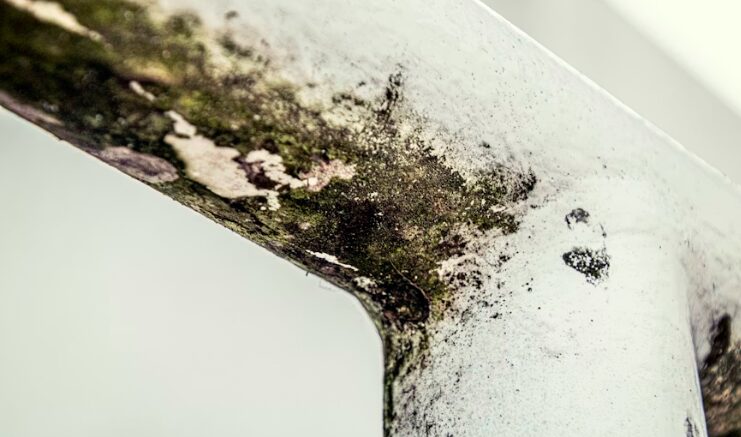
Mold growth in residential spaces is a widespread concern that affects both structural integrity and human health. While mold may appear harmless at first glance, prolonged exposure can contribute to respiratory irritation, allergic reactions, and other wellness complications, particularly for children, older adults, and individuals with compromised immune systems.
Because mold thrives in ordinary household conditions, many homeowners underestimate how easily it can develop and spread. Implementing proven home strategies helps reduce mold related health risks and supports a safer indoor environment over the long term.
Understanding Why Mold Poses Health Concerns
Mold reproduces through microscopic spores that travel easily through indoor air. When these spores are inhaled, they may trigger symptoms such as coughing, nasal congestion, skin irritation, or headaches. Some molds produce mycotoxins, which can intensify health effects when exposure occurs repeatedly.
Mold does not require severe flooding to develop, as even minor moisture buildup in bathrooms, basements, or behind walls can create suitable conditions. Because mold is often hidden, exposure may continue unnoticed until health symptoms become persistent. Understanding the health implications reinforces the importance of prevention rather than relying solely on cleanup after growth has already occurred.
Moisture Control as the Foundation of Prevention
Managing moisture is the single most effective way to prevent mold development. Mold requires consistent dampness to grow, making moisture control essential in all living spaces. Leaks in plumbing, roofing, or windows should be repaired promptly to prevent water intrusion from lingering undetected.
Bathrooms, kitchens, and laundry areas benefit from proper ventilation to reduce humidity created by daily activities. Dehumidifiers are especially effective in basements or crawl spaces where moisture levels remain elevated. Maintaining indoor humidity at appropriate levels discourages mold growth while supporting overall indoor air quality.
Improving Ventilation Throughout the Home
Ventilation plays a significant role in controlling airborne moisture and mold related contaminants. Poor airflow allows humidity and spores to accumulate, increasing the likelihood of mold colonization. Exhaust fans in bathrooms and kitchens help release moisture at its source, preventing condensation from settling on surfaces.
Opening windows when weather permits encourages air exchange that reduces stale, moisture heavy air. Heating and cooling systems should be maintained regularly to ensure efficient airflow throughout the home. Clean filters and unobstructed vents help prevent mold spores from circulating through living spaces repeatedly.
Regular Cleaning and Early Detection Strategies
Consistent cleaning routines reduce the likelihood of mold establishing itself in the home. Surfaces prone to moisture buildup, such as tile, grout, and window sills, should be cleaned routinely to remove residue that supports mold growth. Organic debris like dust and soap buildup provides nutrients that mold needs to thrive.
Early detection is equally important, as catching mold growth at its initial stage prevents extensive spread. Discoloration, musty odors, or persistent dampness often indicate hidden mold issues. When homeowners suspect deeper structural involvement, consulting professionals such as an Asheville restoration company allows for proper assessment and remediation before health risks escalate.
Supporting Indoor Materials and Building Integrity
The materials used inside a home directly affect mold resistance. Porous materials like drywall, carpeting, and wood absorb moisture more easily, making them vulnerable in damp environments. Sealing exposed surfaces and using moisture resistant materials in high risk areas limits mold uptake.
Basements and crawl spaces benefit from vapor barriers that prevent ground moisture from infiltrating interior spaces. Proper insulation also helps regulate temperature and reduces condensation that forms when warm air meets cool surfaces. Investing in preventive improvements strengthens building integrity while lowering long term health risks associated with mold exposure.
Establishing Long Term Habits That Reduce Mold Risks
Preventing mold related health risks requires consistency rather than occasional attention. Routine inspections help homeowners identify early warning signs before mold spreads extensively. Maintaining gutters and drainage systems directs water away from the structure, reducing foundation moisture issues.
Seasonal maintenance tasks, such as checking roof seals or monitoring humidity levels during humid months, further support mold prevention efforts. Educating household members on moisture awareness, such as wiping up spills promptly or using ventilation during showers, reinforces collective responsibility. These ongoing habits reduce the likelihood of mold returning after remediation.
Conclusion
Reducing mold related health risks begins with understanding how mold develops and persists in everyday household environments. Through effective moisture control, improved ventilation, regular cleaning, and proactive maintenance, homeowners can significantly limit mold growth while protecting indoor air quality.
Prevention focused strategies not only safeguard health but also preserve the integrity of living spaces over time. With consistent effort and awareness, homes can remain comfortable, resilient, and supportive of long term wellbeing.