



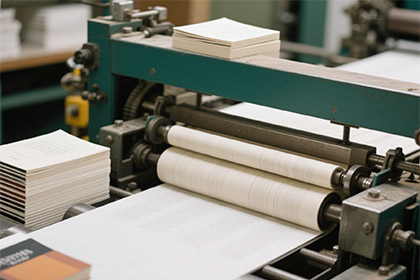
Printing involves several stages to create a book, and each stage involves clear communication of design and formatting choices. Identify your ideas and goals before starting consultations with book printing professionals. Here are a few things you need to know about the book printing process from start to finish:
Consulting With Professionals
The process begins with planning the printing stages to produce a book that reflects your vision. Share your book details with the printer company; this is where you incorporate key design ideas, book features, and your overall goals. Book printing experts can help when deciding on elements such as the choice of paper and cover to be used. Your input at this stage helps in making the right choices.
Submitting Files
You may be requested to upload your files to a specified location where the company will evaluate your manuscript layout and fix any problems. Some modifications include enhancing print quality or compatibility with the chosen materials and printing methods. The timely submission of high-quality files may save revision requirements in the future, and this helps keep your project on schedule.
Choosing Printing Method
When choosing your preferred printing process, make sure the company understands your expectations. Digital printing involves making copies directly from electronic files; it is beneficial when you need short print runs. Offset printing is good for large-volume production as it requires preparing plates, but the final look of the book is high-quality.
Selecting the optimal paper type and color settings helps enhance your vision. Paper is available in different finishes, and these include glossy and matte. You should make careful color selections, as they determine the appearance of the final product. You can ask for CMYK color matching to achieve consistency in color in all copies produced through printing.
Finalizing Proofing
Proofing allows you to evaluate the content and layout of your book before the printing begins. Proofs of most printing types enable you to see the final product and ask for any last-minute changes to the content; you are able to edit the design features or layout. That can be the last chance to make the book error-free. Working closely with the printing company allows you to confirm the final book will match your vision.
When a printing company produces books in-house, it provides clear oversight over the book’s quality. The company should verify the book has been proofed to verify the colors are accurate, and the type of paper used complements the cover. When the sample copy has been finalized, the company prints the rest of the run. The project timeline depends on the method used and the volume. For rush projects, use digital printing, so you can have the finished products sooner.
Selecting Binding
After production, the printer binds the book using the appropriate binding method. It may be sewn, glued, or stapled. Covers should be properly attached to enhance the durability of the books so that they are able to endure regular usage without losing their quality. The binding process is responsible for giving your book the look, structure, and feel that you requested. Some binding options include:
- Perfect: This option is ideal for books with a page count below a couple of hundred pages, and it creates a softbound book that is durable.
- Spiral: Books with spirals work well for cookbooks and training materials.
- Hardcover: Hardcovers are a durable option, suitable for books that require a long shelf life.
- Tape: This is similar to perfect binding, but the spine is reinforced with tape, which comes in different colors.
- Wire: Binding a book with wires works well with thicker paper, and when an image is split across even and odd pages, helping to line up the picture.
Contact Book Printing Professionals Today
Book printing guides manuscripts along a controlled route in transforming literature into tangible books. Book authors and professionals can easily maneuver through every process stage and work with the printing company. The process makes printing a coordinated activity, assisting every edition in moving from concept to completion seamlessly in all fields. Your right partner should provide full book manufacturing solutions in-house; you may look for companies using state-of-the-art equipment and modern processes. Find a reliable printing partner today to print your book.