



1. Introduction to Highland Cow
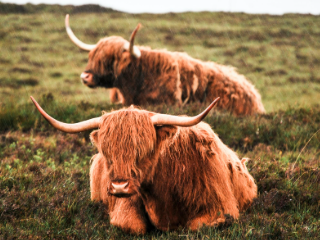
The highland cow is one of the most recognizable and unique cattle breeds in the world. Known for its long shaggy coat, curved horns, and calm personality, this animal has gained global attention not only in farming but also on social media and tourism platforms. Originally from the rugged landscapes of Scotland, the highland cow has adapted to some of the harshest weather conditions, making it one of the hardiest cattle breeds.
What makes the highland cow truly special is its combination of beauty and resilience. While many cattle breeds struggle in extreme cold or poor grazing conditions, highland cows thrive where others cannot. Their charming appearance, often described as fluffy and adorable, has also made them popular beyond agriculture.
2. Origin and History of Highland Cattle
The history of the highland cow dates back many centuries, making it one of the oldest known cattle breeds. It was originally developed in the Scottish Highlands and Western Isles, where the climate is cold, wet, and windy. Early farmers relied on these cattle for survival, as they could endure harsh conditions and provide meat and milk.
Over time, two main types of highland cattle existed: the larger mainland type and the smaller island type. Eventually, these were crossbred to form the modern highland cow we see today. The breed gained formal recognition in the 19th century, and breeding societies were established to maintain its purity.
Today, the highland cow is no longer limited to Scotland. It has spread across Europe, North America, and even parts of Australia, showing its adaptability to different environments.
3. Physical Characteristics of Highland Cow
The appearance of a highland cow is what sets it apart from other cattle breeds. Its physical traits are not only visually striking but also serve important survival purposes.
Long Shaggy Coat
One of the most distinctive features of the highland cow is its thick, long coat. This coat consists of two layers. The outer layer is made up of long, coarse hair that protects against rain and wind, while the inner layer is soft and wool-like, providing insulation against cold temperatures.
Because of this natural insulation, highland cows do not need to store much body fat. This is one reason why their meat is leaner compared to other cattle breeds.
Horn Structure
Both male and female highland cows have horns, which is uncommon in many modern cattle breeds. However, there are noticeable differences:
- Bulls usually have thicker horns that grow outward and slightly forward
- Cows tend to have longer horns that curve upward
These horns are not just decorative. They help the animal dig through snow to find grass and also serve as a defense mechanism.
Body Size and Weight
Highland cows are medium-sized compared to commercial cattle breeds. On average:
| Category | Weight Range | Height |
|---|---|---|
| Bulls | 600–800 kg | 110–130 cm |
| Cows | 400–600 kg | 90–110 cm |
Despite not being the largest breed, they are strong and well-built, allowing them to survive in challenging environments.
Coat Colors
The most common color of a highland cow is reddish-brown, but they can also be found in:
- Black
- Yellow
- White
- Brindle (a mix of colors)
This variety adds to their visual appeal and uniqueness.
4. Adaptability and Survival Skills
The highland cow is famous for its exceptional ability to survive in harsh climates. Unlike many cattle breeds that require controlled environments, highland cows can live outdoors throughout the year.
Their survival advantages include:
- Thick coat that protects against cold and rain
- Ability to graze on rough, low-quality vegetation
- Strong immune system and resistance to diseases
These traits make them ideal for regions with poor grazing conditions where other livestock might struggle.
5. Behavior and Temperament
Another reason for the popularity of the highland cow is its calm and friendly nature. These animals are often described as “gentle giants.” They are generally easy to handle and can adapt well to human interaction.
Highland cows are social animals that live in groups, often referred to as herds. Within these groups, there is a clear hierarchy, but conflicts are usually minimal.
However, it is important to remember that they are still large animals. While they are calm, proper care and handling are necessary, especially around calves or during breeding seasons.
6. Diet and Feeding Habits
The diet of a highland cow mainly consists of grass and natural vegetation. What makes them unique is their ability to survive on land that is unsuitable for other cattle.
They can eat:
- Rough grasses
- Shrubs and bushes
- Leaves and plants that other cattle avoid
Their grazing behavior also helps maintain natural landscapes, making them useful for eco-grazing and land management.
7. Reproduction and Lifespan
Highland cows are known for their long lifespan and strong maternal instincts. They typically give birth to one calf at a time, and the mothers are very protective and caring.
The average lifespan of a highland cow can reach up to 20 years, which is longer than many commercial cattle breeds. This longevity adds to their value for farmers.
8. Uses of Highland Cattle
The highland cow is not just admired for its looks; it also serves practical purposes.
Meat Production
Highland beef is considered high quality. It is:
- Leaner than regular beef
- Lower in fat
- Rich in flavor
This is mainly due to the cow’s natural insulation system, which reduces the need for fat storage.
Farming and Eco-Grazing
Highland cows are widely used in sustainable farming practices. Their grazing helps control unwanted vegetation and maintain biodiversity.
Tourism and Popularity
In recent years, the highland cow has become a symbol of rural beauty. Farms, parks, and tourist attractions often feature them because of their unique appearance. Their popularity on social media has also contributed to their global fame.
9. Highland Cows Around the World
Although they originated in Scotland, highland cows are now found in many parts of the world. Countries like the United States, Canada, Australia, and several European nations have adopted this breed.
Their ability to adapt to different climates has made them a valuable asset for farmers worldwide.
10. Advantages and Disadvantages
Advantages
The highland cow offers several benefits:
- Strong resistance to harsh weather
- Low maintenance requirements
- Ability to graze on poor-quality land
- Long lifespan
Disadvantages
Despite their strengths, there are some limitations:
- Not ideal for very hot climates
- Slower growth compared to commercial breeds
- Require space for grazing
11. Highland Cow vs Other Cattle Breeds
When compared to other cattle breeds, the highland cow stands out in several ways.
| Feature | Highland Cow | Other Breeds |
|---|---|---|
| Coat | Thick and long | Short |
| Climate | Cold-resistant | Moderate |
| Meat | Lean | Higher fat |
| Maintenance | Low | Moderate to high |
This comparison shows why highland cows are preferred in challenging environments.
12. Fun and Interesting Facts
There are many interesting facts about the highland cow that make it even more fascinating. For example, the word “coo” is a Scottish term for cow. Their long hair not only protects them but also gives them their iconic cute look.
They are also known for their ability to use their horns to clear snow in winter, allowing them to access food even in extreme conditions.
13. Care and Farming Tips
Caring for a highland cow is relatively simple compared to other breeds. They require open space for grazing and access to clean water. Shelter is helpful but not always necessary due to their thick coat.
Farmers should still ensure regular health checks and provide additional food during extreme weather conditions.
14. Are Highland Cows Good as Pets?
While the idea of keeping a highland cow as a pet may seem appealing, it is not always practical. These animals require large spaces and proper care. However, in rural settings, they can be friendly and manageable if handled correctly.
15. Conclusion
The highland cow is a remarkable cattle breed known for its strength, adaptability, and unique appearance. From its origins in Scotland to its global presence today, it continues to be valued for both practical and aesthetic reasons. Whether for farming, eco-grazing, or tourism, the highland cow remains one of the most special and admired animals in the world.
16. FAQs
1. What is special about a highland cow?
A highland cow is unique because of its long shaggy coat, curved horns, and ability to survive in harsh climates.
2. Why do highland cows have long hair?
Their long hair provides insulation and protection against cold weather, rain, and wind.
3. Are highland cows friendly?
Yes, they are generally calm and gentle, making them easier to manage compared to many other cattle breeds.
4. How much does a highland cow cost?
The cost can vary depending on age, size, and location, but they are often more expensive than regular cattle due to their uniqueness.
5. Can highland cows live in hot climates?
They can survive in moderate climates, but they are best suited for cooler environments due to their thick coat.