


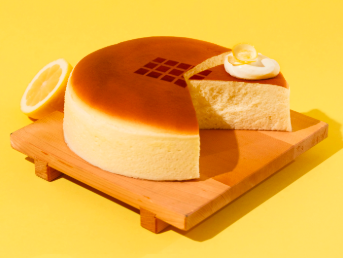
Introduction to the King Cheesecake Recall
Food safety is an important part of everyday life, especially when it comes to products we consume without a second thought. The king cheesecake recall became a major concern after reports revealed that certain dessert products might be contaminated with harmful bacteria. This recall gained attention because it involved widely distributed items and was classified as a high-risk situation.
The purpose of this article is to provide a clear, detailed, and easy-to-understand explanation of the king cheesecake recall, including its causes, risks, and what consumers should do to stay safe.
What is the King Cheesecake Company?
The King Cheesecake Company is a dessert manufacturer based in Houston, Texas. The company is known for producing a wide range of sweet products, including cheesecakes, layered cakes, and specialty desserts. These products are often distributed to restaurants, bakeries, and retail stores across multiple states in the United States.
Over the years, the company built a reputation for quality desserts. However, like many food manufacturers, it relies on a supply chain for ingredients, and any contamination at that level can affect final products.
Overview of the Recall Incident
The king cheesecake recall began in July 2025 after routine checks and investigations revealed a possible contamination risk in some dessert products. The recall was issued as a precautionary measure to protect public health.
Initially, the issue was limited to certain batches, but further analysis led to a broader recall. Regulatory authorities later escalated the situation due to the seriousness of the potential health risks.
Why Were King Cheesecake Products Recalled?
The main reason behind the king cheesecake recall was the potential presence of Salmonella in certain ingredients used in the desserts. Investigations suggested that contaminated pecans were the likely source of the problem.
Salmonella is a harmful bacteria that can spread through contaminated food. Even a small amount can cause illness, which is why strict action was taken. Importantly, the contamination was not necessarily due to poor handling at the final production stage but was likely linked to the ingredient supply chain.
Timeline of the Recall (2025–2026 Updates)
| Date | Event |
|---|---|
| July 2025 | Initial recall announced |
| August 2025 | Classified as high-risk (Class I) |
| Late 2025 | Expanded product warnings issued |
| 2026 | Continued monitoring and awareness |
This timeline shows how the situation developed over time, starting from early detection to wider public awareness.
FDA Classification and Risk Level Explained
The recall was classified as a Class I recall, which is the highest level of risk. According to the U.S. Food and Drug Administration, this classification means there is a strong possibility that consuming the affected product could lead to serious health problems or even death.
This classification highlights the seriousness of the king cheesecake recall and explains why authorities urged immediate action.
List of Affected Products
The recall did not involve just one type of cheesecake. Instead, several dessert products were included. These products shared a common ingredient that was suspected to be contaminated.
Some of the affected items included:
- Italian Layer Cake
- Carrot Layer Cake
- Tres Leches Cheesecake
- Chocolate Tres Leches Cake
- Hummingbird Cake
- Various specialty cheesecakes
These products were distributed under different packaging and labels, making it important for consumers to carefully check product details.
States and Locations Where Products Were Sold
The recalled products were distributed across several states in the United States. This wide distribution increased the scale of the recall and made it more concerning.
Affected regions included:
- Texas
- Florida
- Illinois
- Alabama
- Oklahoma
- Louisiana
Because of this broad distribution, the king cheesecake recall impacted a large number of consumers and businesses.
What is Salmonella and Why is it Dangerous?
Salmonella is a type of bacteria that causes food poisoning. It spreads through contaminated food and water and can infect the digestive system.
When a person consumes contaminated food, the bacteria can multiply in the intestines and cause illness. The severity of symptoms can vary depending on the person’s health and immune system.
Possible Listeria Concerns (Additional Risks)
In addition to Salmonella, there were also concerns about possible contamination with Listeria in some reports. Listeria is another dangerous bacteria that can cause severe illness, especially in pregnant women, elderly individuals, and people with weakened immune systems.
While Salmonella was the primary concern, the mention of Listeria added another layer of risk to the king cheesecake recall.
Symptoms of Foodborne Illness
Foodborne illnesses caused by bacteria like Salmonella can lead to a range of symptoms. These symptoms usually appear within 12 to 72 hours after consuming contaminated food.
Common symptoms include:
- Diarrhea
- Fever
- Stomach cramps
- Nausea and vomiting
- Weakness or fatigue
In most cases, symptoms resolve within a few days, but severe cases may require medical attention.
Who is Most at Risk?
Not everyone is affected in the same way by foodborne illnesses. Some groups are more vulnerable and may experience more severe symptoms.
These include:
- Young children
- Elderly individuals
- Pregnant women
- People with weakened immune systems
For these groups, even a mild infection can become serious, which is why recalls like the king cheesecake recall are taken very seriously.
How the Contamination Happened (Root Cause)
The root cause of the king cheesecake recall appears to be linked to contaminated pecans used in the production process. This highlights a key issue in the food industry: contamination can occur at any stage of the supply chain.
Even if the final product is handled properly, contaminated raw ingredients can still pose a risk. This is why strict testing and quality control are essential in food manufacturing.
Consumer Safety Instructions
Consumers play an important role in ensuring their own safety during a recall. If you suspect that you have purchased a recalled product, it is important to take immediate action.
You should:
- Avoid consuming the product
- Check the packaging details carefully
- Return the product to the store or dispose of it safely
- Follow official recall notices
These steps can help prevent illness and reduce risk.
How to Identify Recalled Products
Identifying whether a product is part of the king cheesecake recall requires careful attention to packaging details.
Check for:
- Product name
- Batch or lot number
- Production dates
- Manufacturer details
Products made during June and July 2025 were particularly affected, so these dates are important indicators.
What to Do if You Consumed the Product
If you have already consumed a recalled product, there is no need to panic, but you should remain cautious.
Monitor your health for any symptoms such as stomach pain or fever. Staying hydrated is important, and if symptoms become severe or last longer than expected, medical attention should be sought immediately.
Company Response and Actions Taken
The King Cheesecake Company responded to the situation by issuing a voluntary recall and cooperating with regulatory authorities. The company removed affected products from the market and worked to identify the source of contamination.
Such actions are standard in the food industry and are necessary to maintain public safety and trust.
Impact on Food Safety and Public Trust
The king cheesecake recall had a significant impact on consumer confidence. Incidents like this remind people of the importance of food safety and the need for strict regulations.
At the same time, recalls also show that monitoring systems are working, as they help identify and remove unsafe products before more people are affected.
How to Stay Safe from Future Food Recalls
Consumers can take several steps to protect themselves from future food safety risks. Staying informed is one of the most important actions.
Practical steps include:
- Regularly checking food recall alerts
- Properly storing food items
- Avoiding expired or damaged products
- Maintaining kitchen hygiene
These habits can reduce the risk of foodborne illness.
Conclusion
The king cheesecake recall is a clear example of how quickly food safety issues can arise and how important it is to respond effectively. While the recall was serious, it also demonstrated the role of regulatory systems in protecting public health.
By staying informed and following safety guidelines, consumers can minimize risks and ensure that the food they consume is safe.
FAQs
1. What caused the king cheesecake recall?
The recall was caused by possible Salmonella contamination, likely linked to contaminated pecans used in the products.
2. Is Salmonella dangerous?
Yes, Salmonella can cause serious illness, especially in vulnerable individuals such as children and the elderly.
3. Which products were affected?
Several desserts, including cheesecakes and layered cakes, were part of the recall.
4. How can I check if my product is recalled?
Check the product name, batch number, and manufacturing date on the packaging.
5. Are the recalled products still available?
No, affected products were removed from the market as part of the recall process.